The South West of England is well known for its dramatic coastline, historic towns, beautiful countryside and traditional villages. Cornwall, Devon, Dorset, Somerset, Wiltshire and Gloucestershire attract millions of visitors each year, yet many travellers still focus on the same famous destinations.
Beyond the busiest beaches and major tourist attractions, the region is filled with quieter places that offer just as much character. Hidden coves, woodland walks, historic streets, remote islands and peaceful villages can provide a more relaxed way to experience the South West.
For visitors looking to discover somewhere different, these hidden gems are worth adding to a future itinerary.
Why Should Visitors Explore Hidden Gems in the South West?
Popular attractions have obvious appeal, but exploring lesser-known destinations can reveal a more varied side of the region.
Hidden gems often allow visitors to slow down and appreciate local scenery without feeling rushed. They may also introduce travellers to smaller communities, independent businesses, historic landmarks and walking routes that are sometimes missed on conventional sightseeing trips.
The South West is particularly suitable for this kind of travel because its landscapes change significantly from county to county. A journey through the region can include rugged cliffs, wooded valleys, rural farmland, historic villages and remote islands.
What Makes the South West Ideal for Slow Travel?
Many smaller South West destinations are best explored on foot rather than by moving quickly between attractions.
Visitors can spend a morning walking beside the coast, stop at a village café for lunch and then explore a nearby woodland or historic town later in the day. This slower approach makes it easier to appreciate the details that can be overlooked during a tightly scheduled holiday.
Which South West Hidden Gems Are Worth Visiting?
| Hidden Gem | Location | Best For |
|---|---|---|
| Clovelly | Devon | Coastal village scenery |
| Valley of Rocks | Devon | Walking and sea views |
| Lydford Gorge | Devon | Woodland and waterfalls |
| Gold Hill | Dorset | Historic streets and photography |
| Castle Combe | Wiltshire | Traditional English village scenery |
| Puzzlewood | Gloucestershire | Atmospheric woodland walks |
| Stourhead Estate | Wiltshire | Gardens and countryside |
| Lundy Island | Devon | Wildlife and remote landscapes |
Explore the Historic Village of Clovelly
Clovelly is one of North Devon’s most distinctive coastal settlements. Built into a steep hillside overlooking the sea, the village is known for its narrow cobbled streets, traditional cottages and picturesque harbour.
Cars do not travel through the historic centre, so visitors explore the village on foot. The walk towards the harbour passes old buildings, small gardens and viewpoints across the coastline.
Why Is Clovelly Different From Other Coastal Villages?
Part of Clovelly’s appeal comes from its unusual hillside layout. The steep streets create dramatic views towards the sea while giving the village a sense of separation from more modern coastal towns.
Visitors should wear suitable footwear because some sections can be steep and uneven. Rather than rushing directly to the harbour, it is worth taking time to explore side streets and viewpoints along the route.
Walk Through the Valley of Rocks in North Devon
The Valley of Rocks near Lynton is one of the most dramatic landscapes on the North Devon coast.
Towering rock formations rise above the shoreline, while walking paths provide views across the Bristol Channel. The scenery feels rugged and open, making it a strong choice for visitors interested in walking and landscape photography.
What Can Visitors Do at the Valley of Rocks?
The area can be explored through a relatively short visit or included as part of a longer coastal walk.
Travellers staying near Lynton and Lynmouth can combine the Valley of Rocks with local cafés, historic streets and additional sections of the South West Coast Path.
Early mornings and quieter weekdays can be particularly enjoyable for visitors who want to appreciate the scenery away from larger crowds.
Discover Woodland Scenery at Lydford Gorge
Lydford Gorge offers a completely different environment from the open coastline.
Located close to Dartmoor, the gorge is known for steep woodland, flowing water and impressive waterfalls. Walking routes lead through a landscape filled with trees, rock faces and river views.
Why Visit Lydford Gorge?
The gorge is especially appealing to travellers who enjoy nature walks and cooler woodland settings.
Instead of wide coastal views, visitors experience narrow paths, dense vegetation and the sound of rushing water. Seasonal changes can transform the landscape, with fresh greenery in spring and rich woodland colours during autumn.
Walking conditions can vary, so visitors should check current access information before travelling.
Visit Gold Hill in Shaftesbury
Gold Hill in Shaftesbury is one of Dorset’s most photogenic historic streets.
The steep cobbled lane is lined with old cottages and offers views across the surrounding countryside. Although the street itself is relatively small, it provides a memorable example of traditional English architecture.
What Else Can Visitors See in Shaftesbury?
Visitors should consider exploring beyond Gold Hill itself.
Shaftesbury has a compact historic centre with independent shops, cafés and additional viewpoints. This makes it suitable for a relaxed half-day visit rather than simply a quick photography stop.
Travellers planning a broader journey through the region can find additional destination ideas and South West travel inspiration at southwestmag.co.uk.
Explore Castle Combe in Wiltshire
Castle Combe is regularly described as one of England’s most picturesque villages.
Traditional stone cottages line the streets, while the surrounding countryside reinforces its peaceful rural setting. The historic centre has changed relatively little in appearance, which contributes to its popularity among photographers.
How Can Visitors Experience Castle Combe Away From the Crowds?
Instead of limiting a visit to the most photographed section of the village, travellers can explore nearby footpaths and countryside.
Arriving earlier in the morning can also provide a quieter experience, particularly during weekends and peak holiday periods.
The village works particularly well as part of a wider Wiltshire road trip, especially when combined with countryside attractions and historic estates.
Walk Through Puzzlewood in Gloucestershire
Puzzlewood, located in the Forest of Dean, offers one of the South West’s most atmospheric woodland experiences.
The landscape contains twisting trees, moss-covered rocks, unusual pathways and small hidden spaces. The combination creates an environment that can feel almost otherworldly.
Who Would Enjoy Visiting Puzzlewood?
Puzzlewood is well suited to families, photographers and anyone interested in woodland walks.
Children can enjoy exploring the winding routes, while adults may appreciate the unusual natural formations and quiet scenery.
The wider Forest of Dean also provides opportunities for cycling, longer walks and visits to nearby villages, making Puzzlewood easy to include in a full-day outdoor itinerary.
Discover More of the Stourhead Estate
Stourhead is famous for its landscaped garden, lake and classical architecture, but many visitors concentrate only on the central garden.
The wider estate includes woodland, countryside walks and historic landmarks that can provide a quieter experience.
What Can Visitors See Beyond the Main Garden?
Those with extra time can explore surrounding walking routes rather than leaving immediately after seeing the most famous lake views.
The wider landscape changes noticeably throughout the year. Spring brings fresh planting, summer creates lush woodland, and autumn can produce striking colours around the estate.
This makes Stourhead a destination that can feel different depending on the season.
Escape to Lundy Island
Lundy Island is one of the most unusual destinations associated with the South West.
Located off the North Devon coast, the island feels significantly more remote than most mainland attractions. Visitors travel there for wildlife, walking, sea views and a slower pace of life.
Why Is Lundy Island Considered a Special Escape?
The island’s isolation is one of its strongest attractions.
Instead of busy streets or large entertainment venues, visitors find open landscapes and uninterrupted coastal surroundings. Birdlife and marine wildlife are also an important part of the experience.
Travel arrangements depend on seasonal transport and weather conditions, so Lundy is usually better planned in advance than visited spontaneously.
How Should Visitors Plan a Hidden-Gem South West Itinerary?
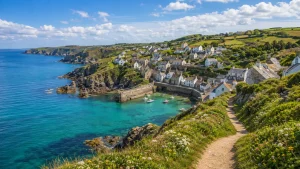
Trying to visit every destination during one short trip can lead to too much time being spent on the road.
A better approach is to choose one area and explore several nearby places.
Which Hidden Gems Can Be Combined?
Visitors staying in North Devon could combine Clovelly, the Valley of Rocks and Lynton or Lynmouth. A longer trip may also include Lundy Island.
Those exploring Wiltshire can combine Castle Combe and Stourhead, while travellers heading through Gloucestershire can build a Forest of Dean itinerary around Puzzlewood.
Shaftesbury works well within a Dorset countryside trip, while Lydford Gorge can be included during a Dartmoor break.
When Is the Best Time to Explore South West Hidden Gems?
Spring and early autumn are often excellent periods for exploring the South West.
The days are usually long enough for walking and sightseeing, while many destinations can be quieter than during peak summer holidays.
Is Summer Still a Good Time to Visit?
Summer is ideal for longer daylight hours, coastal scenery and outdoor activities, but popular villages can become busier.
Travellers visiting during July and August may benefit from arriving early in the day or exploring less famous attractions during peak periods.
Winter can also provide atmospheric countryside experiences, although visitors should prepare for shorter days and more changeable weather.
How Can Visitors Make the Most of Their South West Trip?
The most rewarding hidden-gem trips are usually flexible.
Weather can change quickly, particularly near the coast, so having alternative indoor or sheltered options can help. Comfortable footwear is also important because many of the region’s best places involve hills, cobbled streets or woodland paths.
Visitors should also check parking arrangements, seasonal opening times and local access restrictions before setting off.
Supporting independent cafés, local shops and smaller attractions can make the journey more enjoyable while contributing to the communities being visited.
Final Thoughts
The South West has far more to offer than its best-known beaches, cities and landmarks.
Clovelly provides historic coastal character, while the Valley of Rocks offers dramatic walking scenery. Lydford Gorge introduces visitors to waterfalls and woodland, and Gold Hill reveals another side of Dorset beyond the coast.
Castle Combe delivers classic Wiltshire village charm, Puzzlewood provides an unusual woodland adventure, and the wider Stourhead Estate rewards travellers willing to explore beyond its famous garden. For those seeking an even greater sense of escape, Lundy Island offers remote landscapes and wildlife away from the mainland.
By travelling beyond the busiest attractions, visitors can discover a quieter and often more memorable side of the South West.